

Assessing the Druglikeness of Isoberlinia tomentosa Phytochemicals: A Computational Study
Article Sidebar
Main Article Content
Abstract
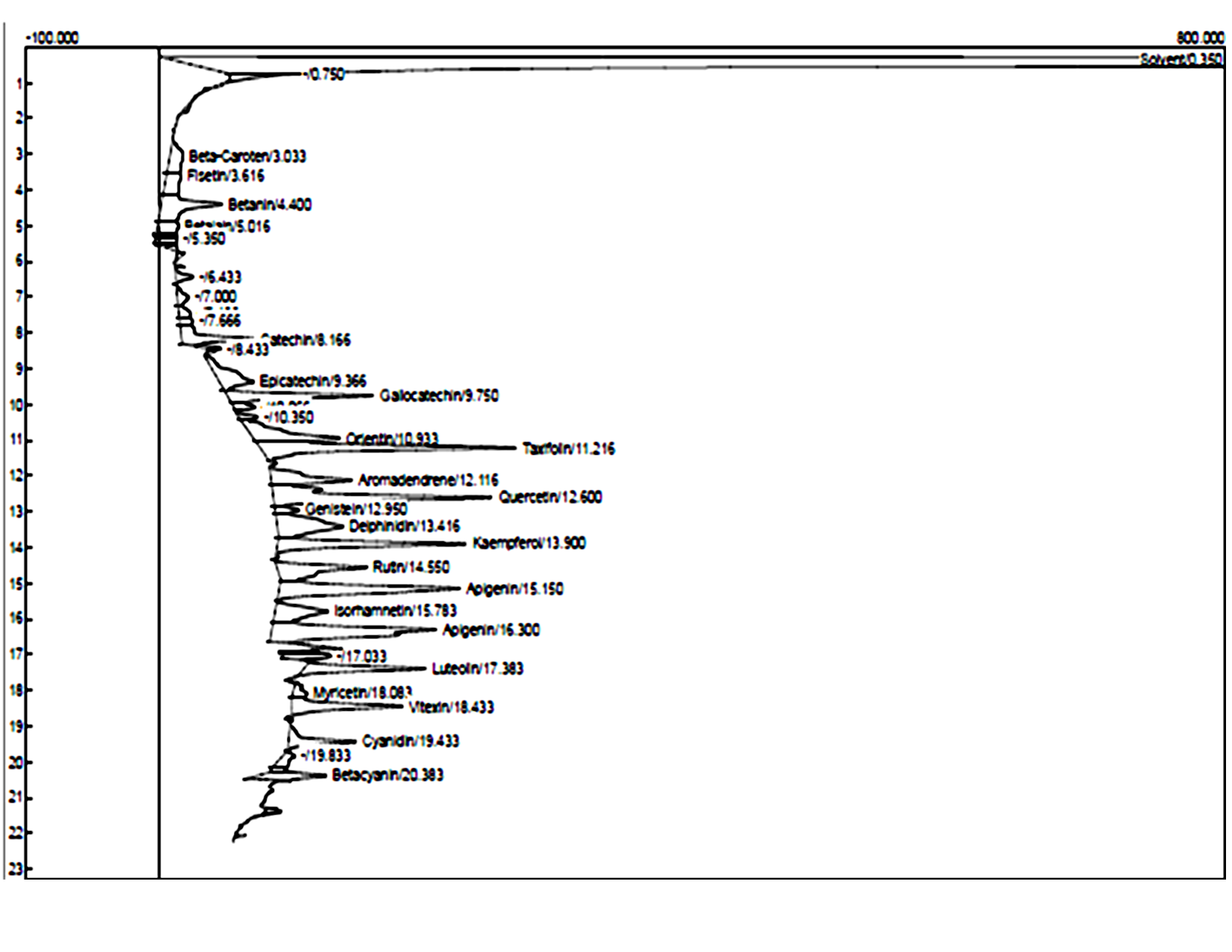
The hunt for novel therapeutic agents from plants has gained significant attention because of the increasing need for more effective and safer options to synthetic drugs. This study focused on Isoberlinia tomentosa, a Fabaceae family species traditionally used to treat fever, arthritis, wounds, and gastrointestinal disorders, to evaluate its phytochemical composition, pharmacokinetic behavior, drug-likeness, and toxicity profile using in-silico computational approaches. GC-FID (Gas Chromatography–Flame Ionization Detection) identified twenty-three bioactive phytochemicals in the ethanolic fruit extract. Canonical SMILES data retrieved from PubChem and ChemSpider were subjected to pharmacokinetic (ADMET) and medicinal chemistry analyses through established computational servers. Results revealed that most of the phytochemicals complied with Lipinski’s rule of five, Pfizer, GSK, and Golden Triangle drug-likeness criteria, indicating favorable oral bioavailability, solubility, and absorption profiles. About 82% of the compounds exhibited optimal molecular weight, logP, and TPSA values consistent with good intestinal permeability and metabolic stability. ADMET predictions showed desirable absorption and distribution features, with most compounds demonstrating non-inhibitory effects on key cytochrome P450 isoenzymes (CYP1A2, CYP2C9, CYP3A4, and CYP2D6), implying minimal drug–drug interaction potential. Toxicological evaluations using ProTox-II, StopTox, and ADMETlab servers indicated low mutagenic, hepatotoxic, and carcinogenic risks for most compounds, suggesting a broad safety margin. PASS analysis predicted diverse pharmacological activities, including anti-carcinogenic, antioxidant, kinase inhibitory, anti-inflammatory, antimicrobial potentials, while only a few compounds showed low probabilities for adverse effects such as myocardial infarction, nephrotoxicity, or hepatotoxicity. Overall, Isoberlinia tomentosa demonstrated promising therapeutic potential with promising pharmacokinetic and safety features, supporting its consideration as a source of lead compounds for future pharmacological validation and drug development.
Downloads
Article Details

This work is licensed under a Creative Commons Attribution-NonCommercial-NoDerivatives 4.0 International License.