

Assessment of Iron Deficiency Anaemia among Pregnant Women Attending Antenatal Care at General Hospital Maru, Zamfara State, Nigeria Assessment of Iron Deficiency Anaemia among Pregnant Women
Article Sidebar
Main Article Content
Abstract
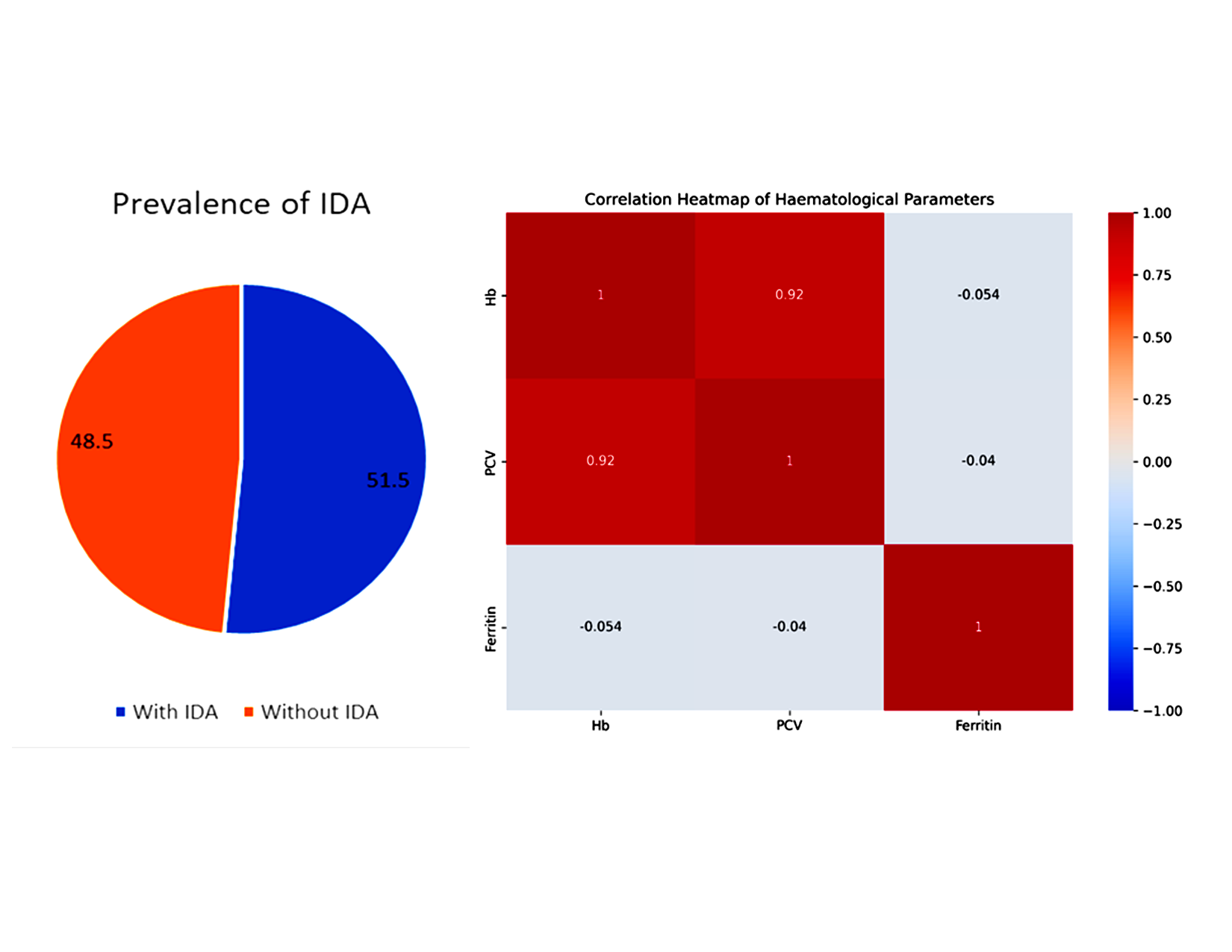
Iron deficiency anaemia (IDA) is one of the most prevalent nutritional disorders among pregnant women, especially in developing nations. The main contributing factors include insufficient dietary iron intake, poor absorption, increased physiological demand during growth and pregnancy, and blood loss. The aim of this study is to determine the prevalence of iron deficiency anaemia among pregnant women attending antenatal clinics at General Hospital Maru, Zamfara State, Nigeria. A cross-sectional study design was adopted, involving 97 pregnant women. Serum ferritin, haemoglobin concentration, and packed cell volume (PCV) were analysed to evaluate iron deficiency anaemia status. Sociodemographic and obstetric information was collected through a structured questionnaire. Among the 97 participants, 50 (52%) were found to have iron deficiency anaemia, suggesting that approximately one out of every two pregnant women in the study population was anaemic. This study revealed a high prevalence of iron deficiency anaemia (IDA) among pregnant women attending ANC at General Hospital Maru. IDA affected women across all socio-demographic groups, with no significant associations found between IDA and variables like age, education, or income. The findings point to a low-consumption or unaffordability of iron-rich foods, especially those from animal sources.
Downloads
Article Details

This work is licensed under a Creative Commons Attribution-NonCommercial-NoDerivatives 4.0 International License.